Updated July 2026
Photography by Pascale's Kitchen Studio
GENERAL BAKING TIPS
Here are some of my general baking tips for you in your kitchen.
✦ Read the recipe all the way through before you start. Baking is less forgiving than cooking — there is rarely a way to go back and fix a mistake once the batter is in the oven.
✦ Weigh your ingredients rather than measuring by volume wherever possible. A cup of flour can vary by as much as 30% depending on how it is scooped, but 140g is always 140g. A kitchen scale is one of the most valuable tools a baker can own.
✦ Always preheat the oven for at least 20 minutes before baking. An oven that hasn't fully reached temperature will affect the rise, texture and color of everything you put in it. An inexpensive oven thermometer is worth having — most home ovens run hotter or cooler than the dial suggests.
✦ Bake in the center of the oven unless a recipe specifies otherwise. The top tends to be hotter and the bottom can scorch.
✦ Rotate your baking pan halfway through cooking if your oven has hot spots — most do.
BUTTER
✦ Butter temperature matters enormously in baking. "Softened" butter should give when pressed but not be shiny or greasy — leave it at room temperature for about an hour before using. "Melted" and "softened" are not interchangeable.
✦ When a recipe says to cream butter and sugar together, do it properly — beat until the mixture is pale, light and fluffy, which can take 3–5 minutes. This step incorporates air and is the foundation of a good cake.
FLOUR
✦ Spoon flour into the measuring cup and level off the top — never scoop directly from the bag, which compacts the flour and gives you too much.
✦ For a lighter crumb, sift flour before adding it to a batter. For everyday baking, stirring it well in the bowl achieves a similar result.
✦ Do not overmix once the flour has been added to a cake batter — this develops the gluten and results in a tough, dense cake. Mix only until just combined.
EGGS
✦ All eggs used in baking should be at room temperature — cold eggs can cause butter to seize in batters and will give you a denser crumb. If you forget to take them out in advance, place them in a bowl of warm water for 10 minutes.
✦ When a recipe calls for eggs to be beaten separately and folded in, always fold gently and in stages — deflating the eggs defeats the purpose of the step entirely.
CHOCOLATE
✦ Always chop chocolate rather than using chips for baking — chocolate chips contain stabilizers that prevent them from melting smoothly.
✦ Melt chocolate slowly, either over a bain-marie or in short bursts in the microwave, stirring between each. Even a few degrees too hot and the chocolate will seize into a grainy mass. If this happens, stir in a small spoonful of vegetable oil to bring it back.
✦ Never let water come into contact with melting chocolate — even a drop will cause it to seize immediately.
CREAM
✦ The higher the fat content of cream, the more stable it is and the easier it is to whip up.
✦ Before whipping cream, chill the bowl you are going to use for at least 15 minutes.
PASTRY AND TARTS
✦ Keep everything cold when making pastry — cold butter, cold water, cold hands. Heat is the enemy of a flaky, crisp crust.
✦ Rest your pastry dough in the refrigerator for at least 30 minutes before rolling — this relaxes the gluten and prevents it from shrinking back in the pan.
✦ When blind baking a tart shell, chill it in the pan for 15 minutes before adding the baking weights — this helps it hold its shape.
✦ Prick the base of a tart shell with a fork before blind baking to prevent it from puffing up.
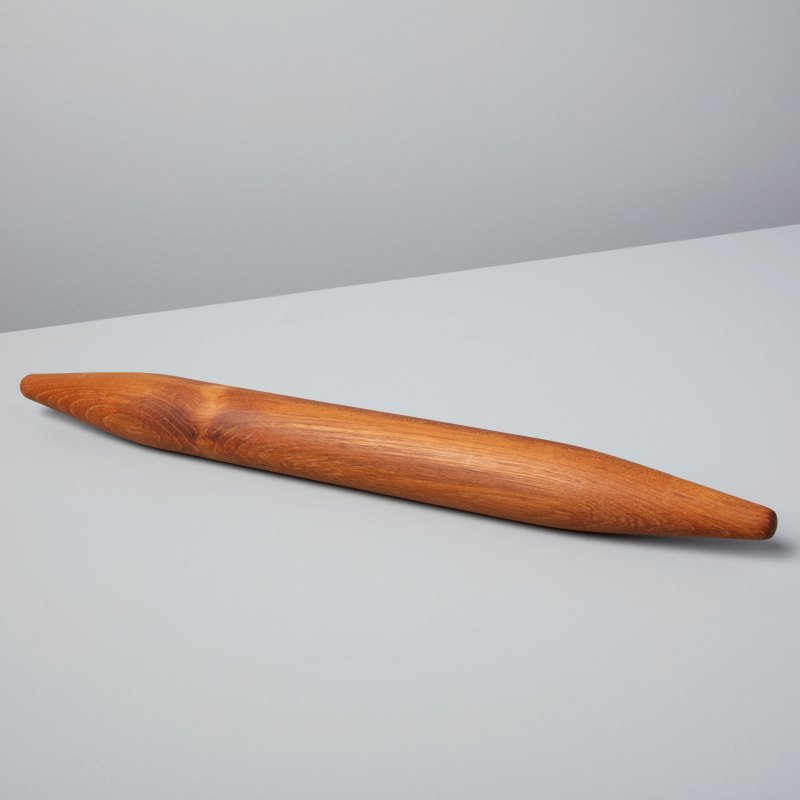
✦ To transfer rolled pastry to the tart pan without tearing, roll it loosely around the rolling pin and unroll it over the pan.
FRUIT TARTS AND CRUMBLES
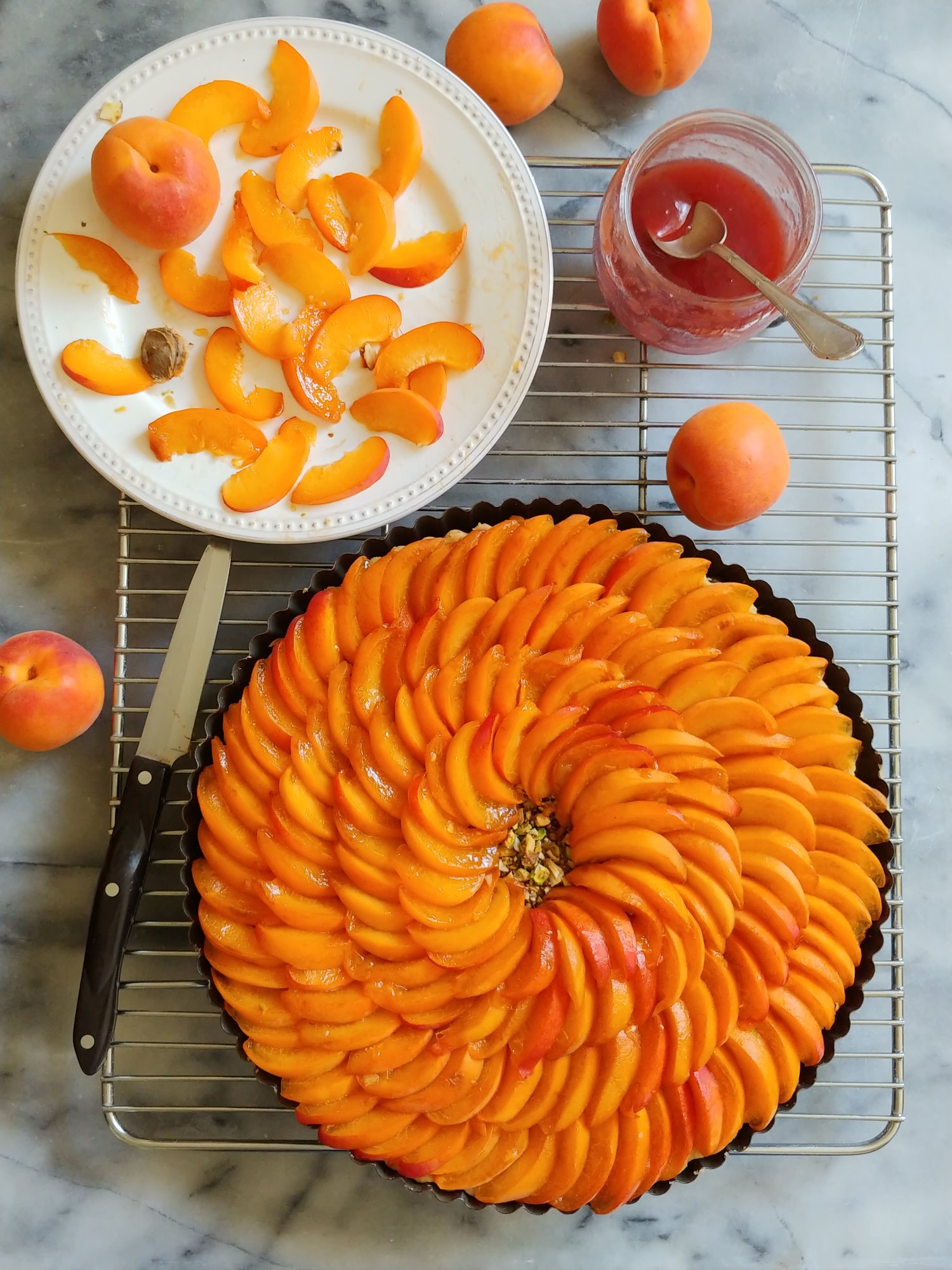
✦ Taste your fruit before adding sugar to a crumble or tart filling — ripe summer fruit often needs very little, while the same fruit in spring or autumn may need more. Let the fruit guide you.
✦ For a fruit crumble, make the topping in advance and keep it in the refrigerator or freezer — it can go straight from cold onto the fruit and into the oven, which gives a crispier result.
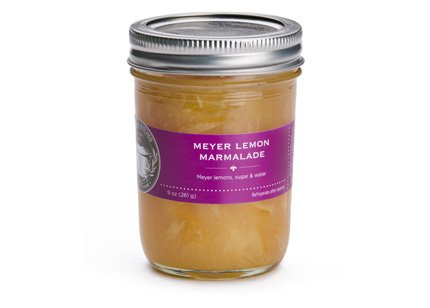
✦ Spread a layer of jam or dust the base of a fruit tart with a thin layer of ground almonds before adding the filling — the jam helps prevent the fruit juices from seeping through and the almonds help absorb excess juice and prevent the pastry from becoming soggy. No one wants a soggy bottom!
CAKES
✦ Do not open the oven door in the first two-thirds of a cake's baking time — the rush of cold air can cause the cake to sink in the center.
✦ Test a cake for doneness by inserting a thin skewer or toothpick into the center — it should come out clean or with just a few moist crumbs. If it comes out with wet batter, give it another 5 minutes.
✦ Let cakes cool in the pan for 10 minutes before turning out — they are fragile when hot and will crack if unmolded too soon.
✦ A cake that has domed in the center can be leveled with a serrated knife once cooled. Serve the domed top layer to whoever is in the kitchen — the baker's reward.
MERINGUES AND EGG WHITES
✦ If you can, make meringues on a dry day — humidity is the enemy and will prevent the egg whites from reaching their full volume and may cause the finished meringues to weep.
✦ Always start whisking egg whites on a slow speed and gradually increase — you will avoid splattering and the foam will be more stable.
✦ Add sugar gradually, one tablespoon at a time — adding it too quickly can cause the meringue to weep during baking.
✦ Make sure your bowl and whisk are completely clean and grease-free before whisking — even a trace of egg yolk or oil will prevent the whites from whipping. Wipe the bowl with a cut lemon and dry thoroughly before starting.